
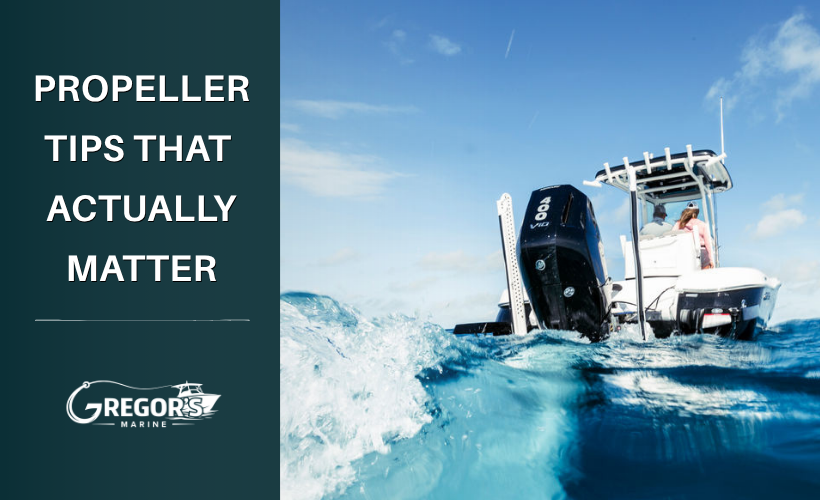
Boat Propeller Selection Tips Most Owners Don’t Know (But Should)
Most boaters know that pitch and diameter matter, but there are a few lesser-known factors that can make a big difference in how your boat performs. These are the things we see every day in the shop that are often overlooked.
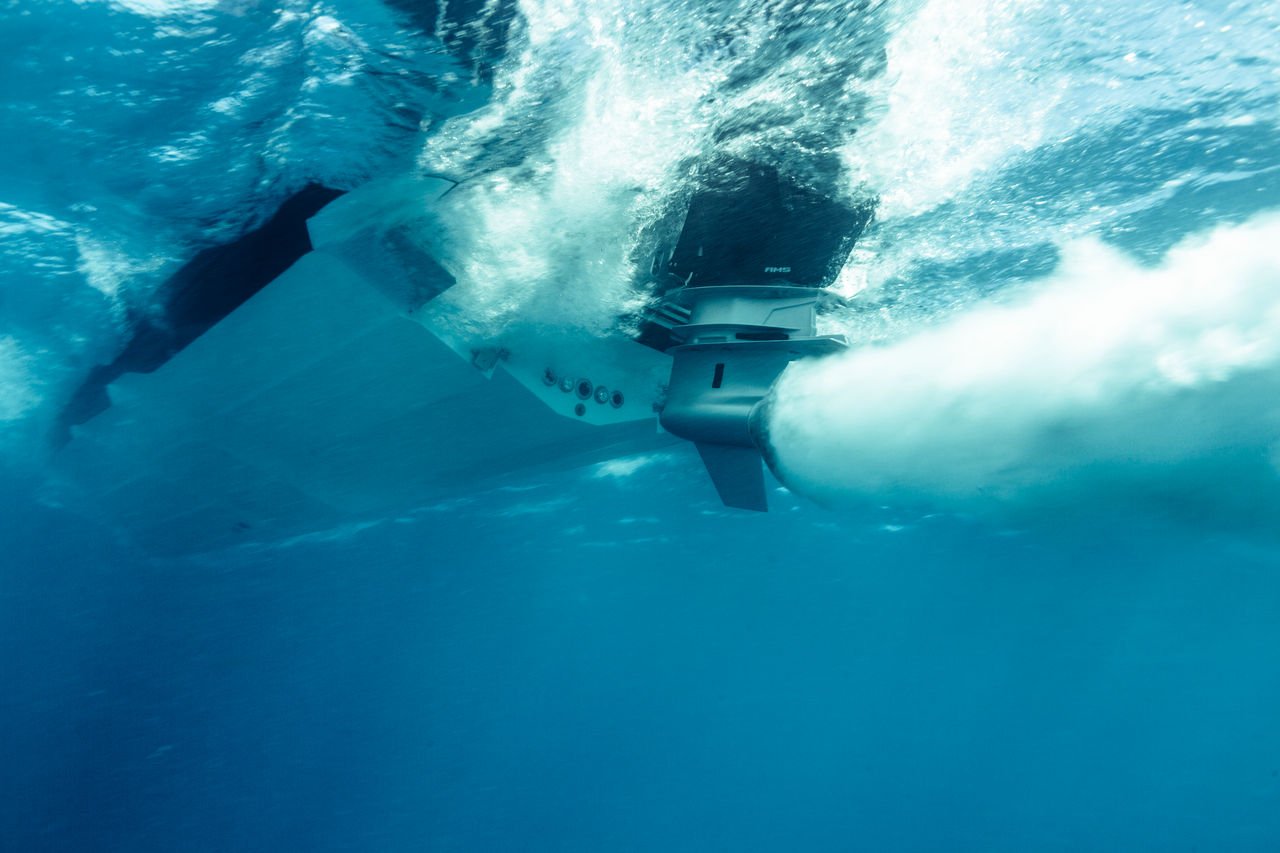
Your Engine’s RPM Range Matters More Than Speed
Many boat owners focus on top speed, but your engine is designed to run within a specific wide open throttle RPM range. If your prop is too aggressive, your engine may never reach that range, which puts extra strain on internal components over time.
On the flip side, if your engine is over-revving, it can also lead to premature wear. The goal is not just speed, it is keeping your engine operating where it was designed to run.
Small Prop Changes Make a Big Difference
A lot of people assume you need a completely different prop to fix performance issues, but even a one-inch change in pitch can noticeably affect acceleration, top speed, and engine RPM.
That small adjustment can be the difference between a boat that struggles to plane and one that feels dialed in.
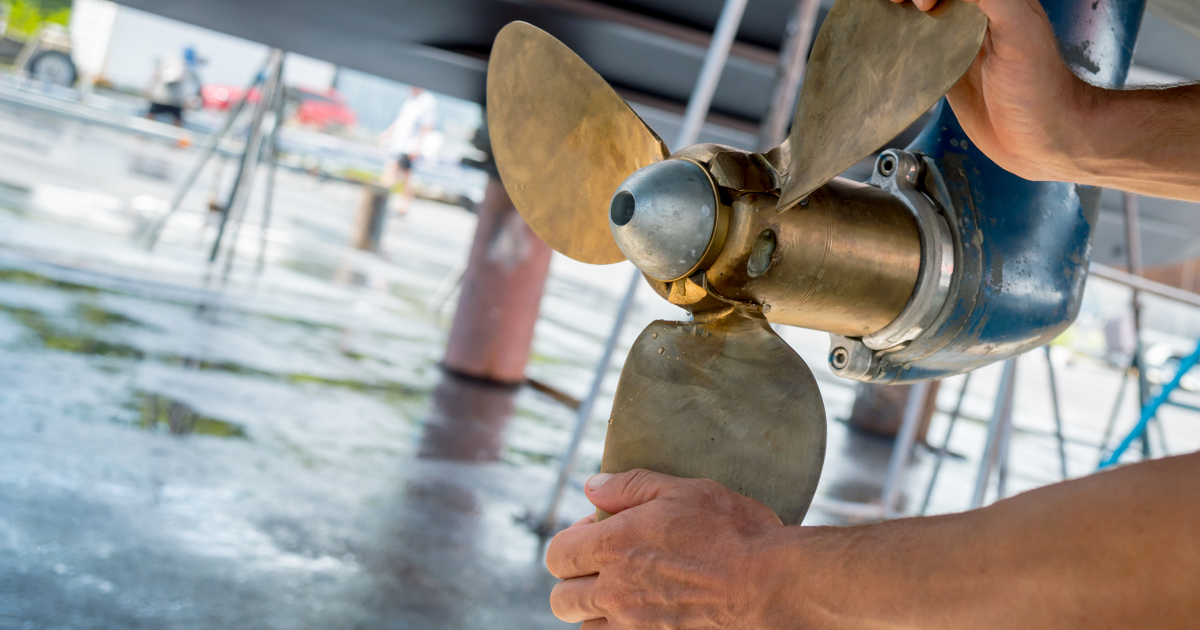
Weight and Setup Change Everything
Adding gear, passengers, coolers, or even a trolling motor can change how your boat performs. If your setup has changed over time, your prop may no longer be the best match.
This is especially common with boats that have been upgraded or repowered.
Stainless Steel Isn’t Just About Strength
Most people think stainless props are only about durability, but they also flex less under load. That means more consistent performance and better power transfer compared to aluminum.
It is one of the reasons many boaters notice a performance difference after upgrading.
Ventilation vs Cavitation Confusion
These two terms get mixed up all the time.
Ventilation happens when air gets pulled into the prop, usually during sharp turns or when the motor is mounted too high.
Cavitation is caused by pressure changes that create bubbles, which can damage the prop over time.
Both feel similar, but the causes and solutions are different.
Final Thoughts
The right propeller is about more than size or material. Matching your engine, boat, and boating style can improve performance, fuel efficiency, handling, and long-term reliability.
If you're unsure where to start, visit our Boat Propeller Selection & Education Center to explore Mercury's Prop Selector, prop slip calculators, buying guides, and educational resources. For personalized assistance, call our team at (727) 596-5929. When you're ready, shop our selection of genuine Mercury Propellers to find the right fit for your boat.
Recent Posts
-
Why You Should Change Your Lower Unit Oil Every Year
Why You Should Change Your Lower Unit Oil Every Year Changing your engine oil is a maintenance item …Sep 14th 2026 -

Signs Your Mercury Lower Unit Is Going Bad: What to Check
A lower unit problem doesn't always start with a dramatic failure. Sometimes the first clue is a new …Sep 14th 2026 -

Mercury Avator Electric Outboards: A Complete Guide to Electric Boating
Electric outboards are becoming a real option for more boaters, and Mercury's Avator lineup brings e …Sep 1st 2026