
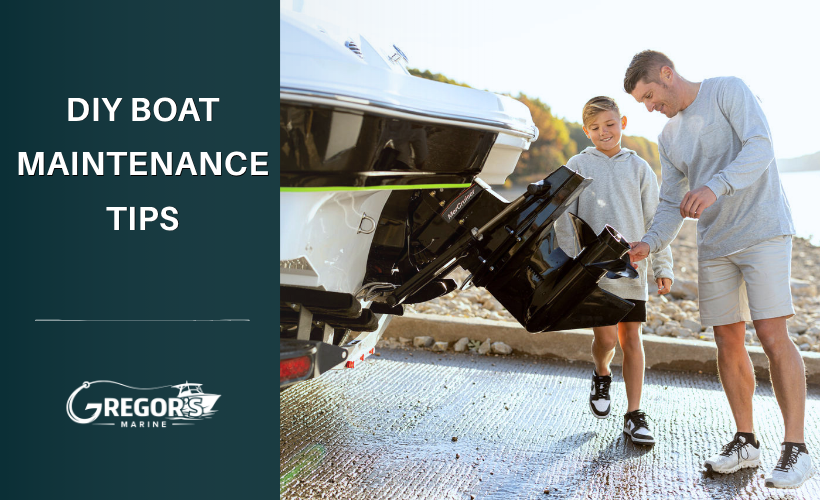
DIY Boat Maintenance: What You Can Safely Do Yourself
Not every boat maintenance task requires a trip to the shop. There are several basic service items most boat owners can safely handle themselves with the right tools, parts, and a little guidance. Staying on top of routine maintenance can help extend the life of your engine and reduce the chances of unexpected problems on the water.
The key is knowing which jobs are DIY-friendly and which ones are better left to experienced marine technicians.
Changing Engine Oil and Filters
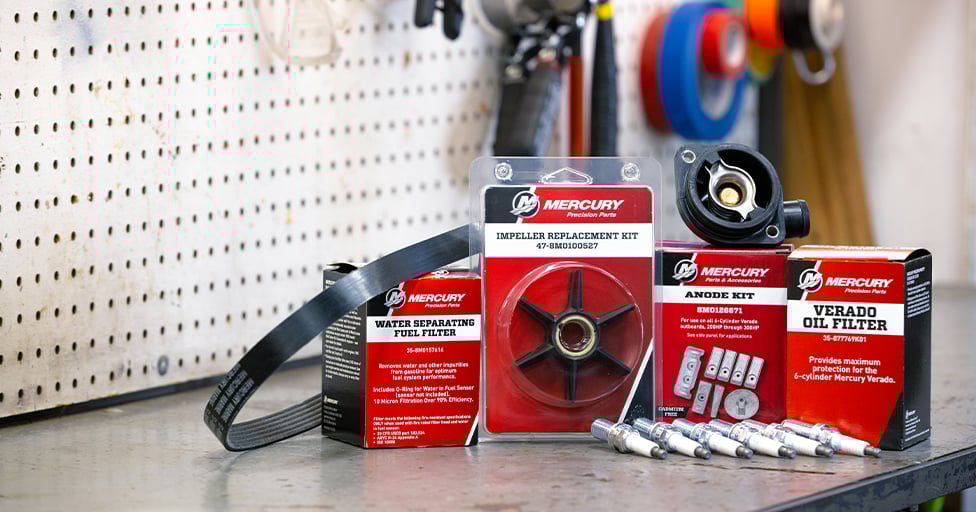
Routine oil changes are one of the most important things you can do for your outboard. Many owners handle basic oil and filter service themselves, especially when using OEM maintenance kits designed specifically for their engine. Replacing engine oil, oil filters, and fuel filters at recommended intervals helps improve reliability and reduce long-term wear.
Resources:

Replacing Spark Plugs
Spark plugs wear down over time and can contribute to hard starting, rough idle, or poor fuel economy. Replacing them is usually a straightforward job for most DIY boat owners and can make a noticeable difference in overall engine performance.
Inspect Your Sacrificial Anodes
A quick visual inspection only takes a minute. If an anode is heavily corroded or has lost roughly half of its original material, it's time to replace it.
Resources:

Inspecting Your Propeller
Your propeller should be checked regularly for fishing line, small dings, or damage that could affect performance. Even minor issues can lead to vibration, reduced fuel efficiency, or added wear on drivetrain components. A quick inspection after boating in shallow water or around debris can help catch problems early.
Learn More About Propeller Selection:
Checking Gear Lube
Monitoring lower unit gear lube is a simple but important maintenance habit. Milky fluid may indicate water intrusion from a bad seal, while dark or burnt lube can point to overheating or internal wear. Catching these issues early can help prevent more serious lower unit damage later on.
Resource: Mercury Marine How to Change Gear Lube (YouTube)
Battery Maintenance
A weak battery causes a surprising number of boating problems. Cleaning terminals, tightening connections, and checking battery voltage regularly can help prevent hard starting and electrical issues before they leave you stranded.
Know When to Call a Professional
Some maintenance and repairs are better handled by trained marine technicians. Internal engine repairs, electrical diagnostics, lower unit rebuilds, and digital rigging installations often require specialized tools and experience. Attempting more advanced repairs without proper diagnostics can sometimes create larger and more expensive problems.
Using the Correct Parts Matters
One of the biggest DIY mistakes is ordering the wrong parts. Even engines that look identical can use different filters, seals, or components depending on serial number and production range. Using your engine serial number is the best way to ensure proper fitment and avoid unnecessary frustration.
Final Thoughts
DIY maintenance can save time and help you better understand your boat, but knowing your limits is just as important as knowing the basics. A combination of routine owner maintenance and professional service is often the best approach for long-term reliability.
Gregor’s Marine offers OEM marine parts, maintenance kits, lower units, and expert support to help boat owners keep their engines running strong. Give us a call with your serial number and we’ll help point you in the right direction.
- For more Tips & Tricks from our team, visit Mercury Outboard Maintenance & Service Guide
Frequently Asked Questions
Can DIY boat maintenance affect my engine warranty?
Using incorrect parts or improper procedures can potentially affect warranty coverage. Following manufacturer maintenance guidelines and using OEM components helps reduce that risk.
How do I know if I ordered the correct maintenance parts?
The best way is by verifying parts using your engine serial number. Small production changes can affect fitment even within the same model years.
Is it normal to find metal particles in lower unit gear lube?
A very small amount of fine metallic paste on the magnetic drain plug can be normal. Larger metal pieces or excessive debris may indicate internal gear or bearing wear.
How often should I inspect my propeller?
It is a good idea to inspect your propeller after every few trips, especially if you boat in shallow water or areas with debris.
Recent Posts
-

The Boat Owner's Buy Once, Cry Once Guide: Upgrades Worth Paying More For
The Boat Owner's Buy Once, Cry Once Guide: Upgrades Worth Paying More For Most boat owners have hear …Aug 6th 2026 -
Milky Lower Unit Oil: What It Means and What to Do Next
Draining your lower unit oil is one of the simplest ways to check the health of your gearcase. If th …Jul 28th 2026 -

Hurricane Preparation for Boat Owners: How to Protect Your Boat Before the Storm
For boat owners, hurricane season means more than stocking up on supplies. A little preparation befo …Jul 28th 2026