
Maintenance & Service Guide
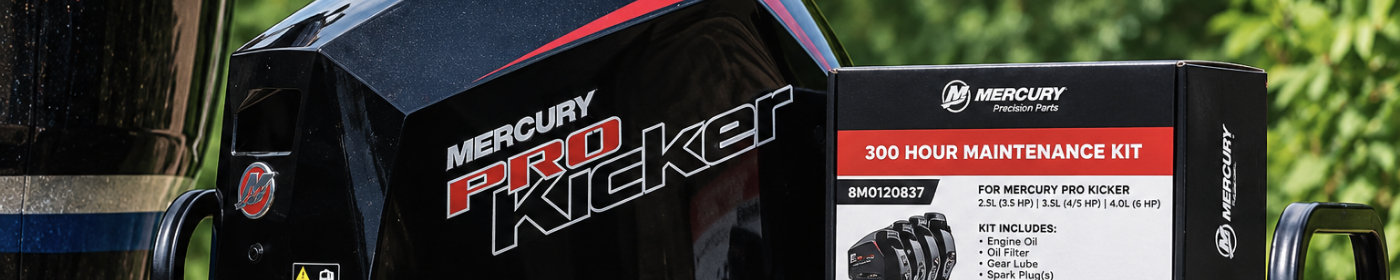
Mercury Outboard Maintenance & Service Guide
Keeping up with Mercury outboard maintenance shouldn't be confusing. Whether you're servicing your first Mercury FourStroke or maintaining a high-hour Verado or Pro XS, this guide combines Mercury's recommended service intervals with practical insights from technicians who work on these engines every day.
Below you'll find maintenance schedules, service tips from our experienced techs, troubleshooting advice, and links to in-depth articles covering everything from oil changes and water pumps to lower units, fuel systems, and genuine OEM Mercury parts.
Your Maintenance Schedule Is a Starting Point, Not a Rule
One thing experienced Mercury technicians learn quickly is that two identical engines rarely age the same way.
A Mercury 300 Verado that spends every weekend running offshore at cruising speed will wear differently than the same engine on a pontoon that idles through canals. Likewise, an engine that only sees 30 hours a year but sits outside in Florida's heat and humidity can develop issues that aren't related to engine hours at all.
The hour meter tells you how much an engine has been used. It doesn't tell you how it has been used. That's why understanding your boating habits is just as important as following the maintenance schedule.

Common Outboard Maintenance Schedule
*Maintenance intervals vary by engine model and operating conditions. Always refer to your Mercury owner's manual for the recommended service schedule for your specific engine.
Every 100 Hours or Annually
• Change engine oil and oil filter
• Replace the fuel filter(s)
• Change lower unit (gearcase) oil
• Inspect the water pump and cooling system
• Inspect sacrificial anodes
• Grease lubrication points
• Inspect belts (where applicable)
• Inspect steering and throttle controls
• Check battery connections
• Scan for active or stored fault codes (dealer recommended)
Every 300 Hours or 3 Years (Typical)
• Replace the complete water pump kit
• Replace spark plugs
• Inspect or replace the thermostat
• Inspect engine mounts
• Inspect fuel hoses and clamps
• Inspect the charging system
• Inspect exhaust components (where applicable)
Every 500 Hours and Beyond
• Compression test (when needed)
• Fuel injector inspection or service
• Steering system inspection
• Engine alignment and mounting hardware inspection
• Comprehensive SmartCraft diagnostics (if equipped)
• Cooling system inspection
Seasonal Maintenance
Even if you don't reach the recommended service hours, annual maintenance is still important.
Rubber seals, fuel, lubricants, and cooling system components continue to age whether the engine is running or not. Boats that spend months sitting in Florida's heat and humidity often experience different issues than boats that accumulate high engine hours.
Outboard Maintenance Tips & Tricks
Our Mercury-certified technicians service outboards every day, which means they often spot problems long before they lead to a breakdown. Here are a few of the maintenance tips, common mistakes, and real-world insights they've learned from years of working on Mercury outboards.
Engine Oil
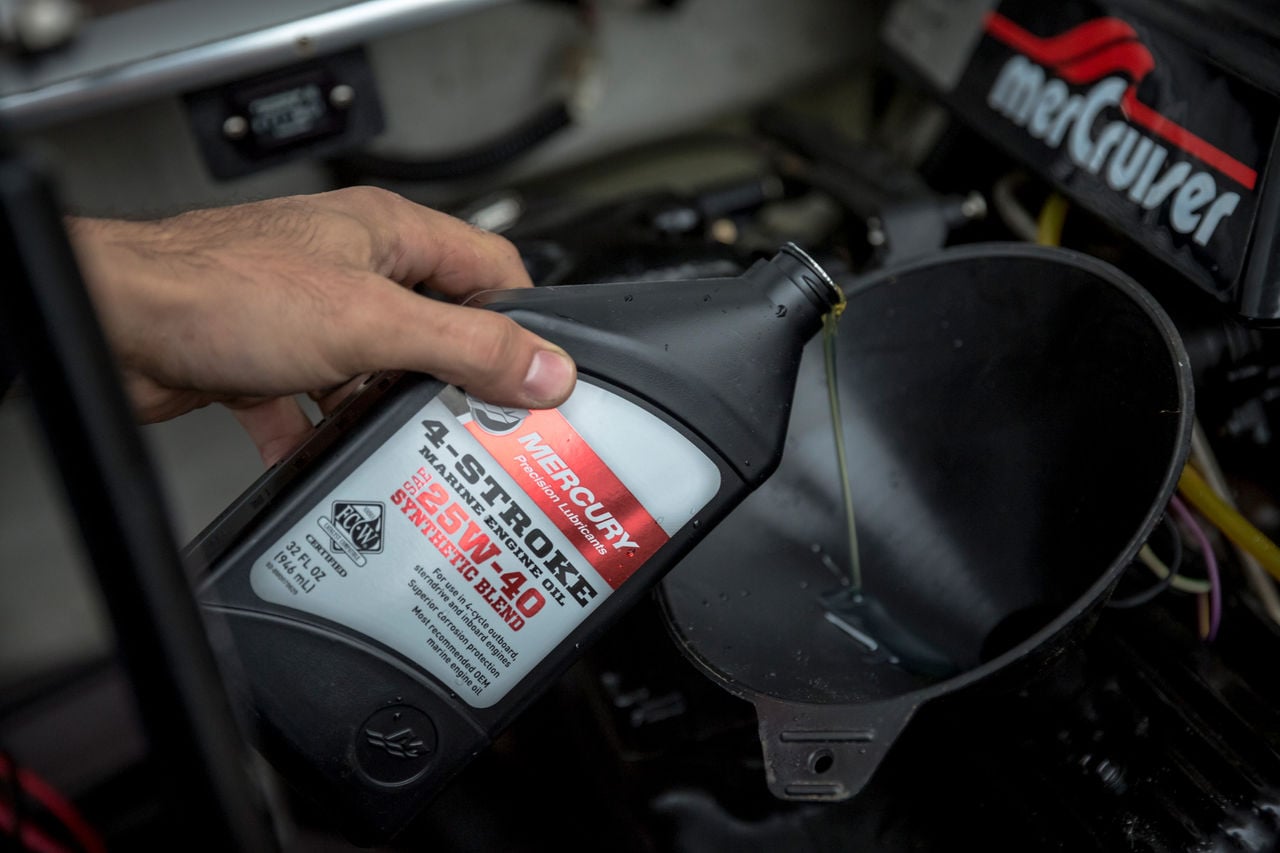
A strong fuel smell or metallic particles may be early signs of internal engine wear.
Oil Filter
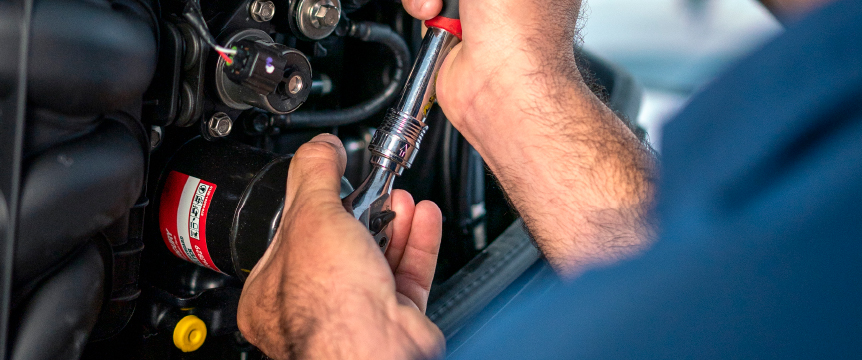
Always check that the old oil filter gasket came off with the filter. A double gasket can cause a serious oil leak after startup.
Lower Unit Gear Lube
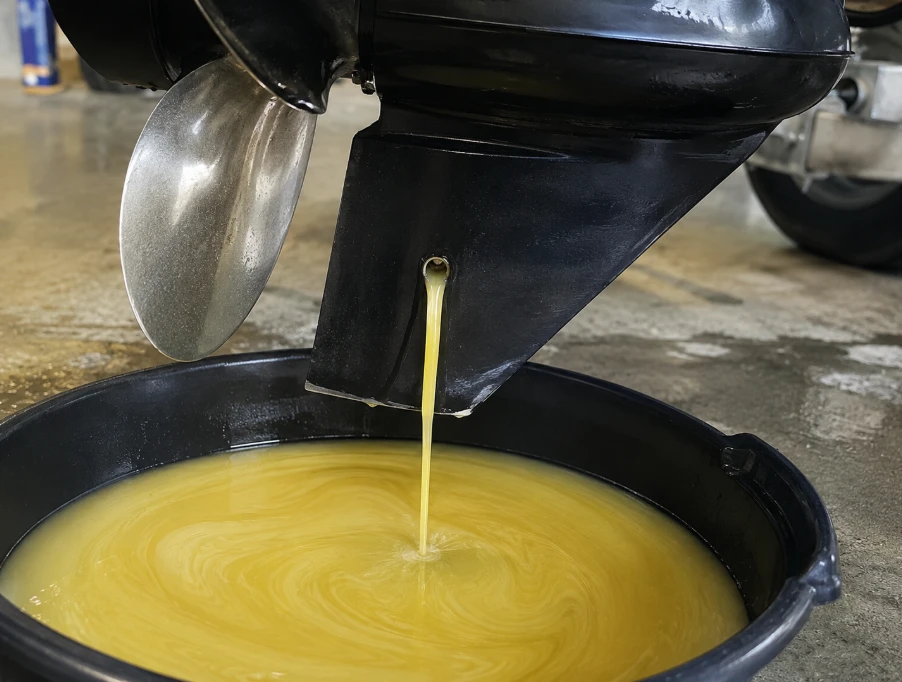
Milky gear lube almost always means water has entered the gearcase. Typically changing the oil isn't the fix. The source of the leak needs to be found and repaired.
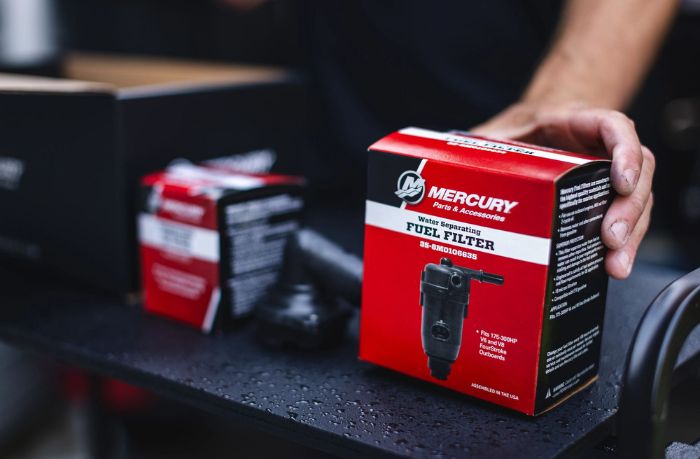
Fuel Filters & Water Separator
Replace your fuel filters on schedule, even if the engine seems to be running fine. Many filters become partially restricted long before noticeable problems.
Water Pump & Impeller
Replace the entire water pump kit, not just the impeller. A worn wear plate or housing can reduce cooling performance even with a new impeller.
Sacrificial Anodes
Replace anodes once they're about 50% consumed and don't paint your anodes. Paint prevents them from making electrical contact with the water.

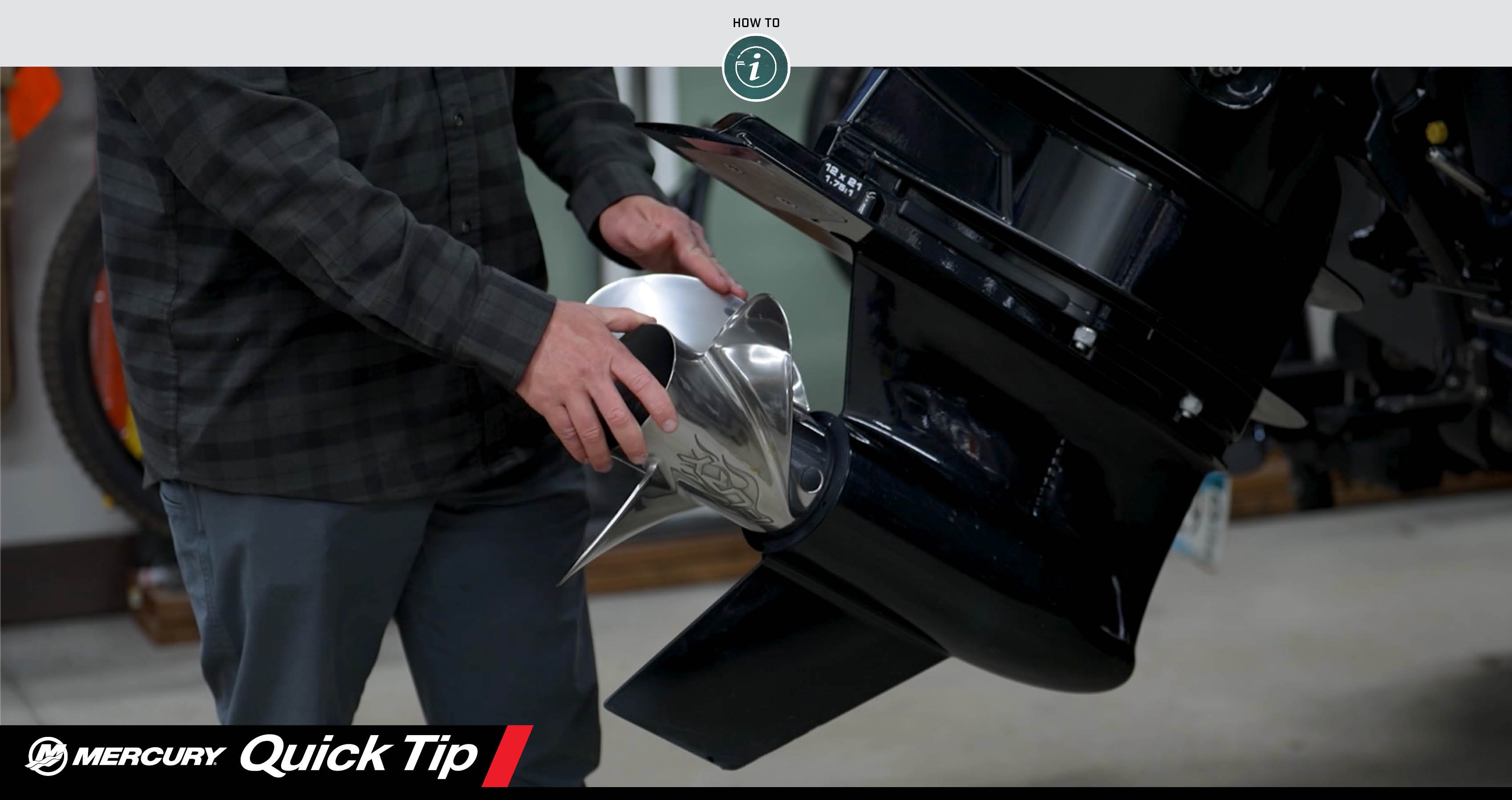
Propeller Inspection
Remove the propeller at least once a year, even if it's never been damaged. Fishing line hidden behind the hub is one of the most common causes of prop shaft seal failure.

Belts (Where Applicable)
A belt can look fine at a glance but still be worn. Inspect both sides for glazing, cracking, and uneven wear during routine service.

Should You DIY or Hire a Dealer?
Many routine maintenance tasks can be completed at home with the right tools and information. Knowing your limits is just as important as knowing the maintenance schedule. Learn which jobs are DIY-friendly and when it's best to trust an experienced Mercury technician.

Explore More Mercury Maintenance Tips
Looking for more boating advice? Visit our blog for maintenance tips, troubleshooting guides, product comparisons, and expert insights to help you get the most from your Mercury outboard.
Frequently Asked Questions
Does a low-hour Mercury outboard still need annual maintenance?
Yes. Engine oil, gear lube, fuel, rubber components, and seals continue to age even when the engine isn't being used. An engine with 20 hours that sits for a year still benefits from annual service.
Do I need OEM Mercury parts for routine maintenance?
OEM Mercury parts are designed specifically for your engine and help ensure proper fitment and performance. While aftermarket options exist, using genuine OEM parts helps eliminate compatibility concerns.
Is saltwater maintenance different than freshwater maintenance?
The maintenance schedule is similar, but saltwater engines typically require more attention to corrosion prevention, flushing, sacrificial anodes, and routine inspections.
Should I replace parts only when they fail?
Not always. Many maintenance items, such as impellers, fuel filters, and gear lube, are designed to be replaced on a schedule before failure occurs. Preventative maintenance is typically much less expensive than emergency repairs.