
Lower Unit Noise: Bearings, Gears, or Something Else?
Lower Unit Noise: Bearings, Gears, or Something Else?
If your outboard is making unusual noise, especially from the lower unit, it is not something to ignore. What starts as a small sound can quickly turn into a major repair if left unchecked.
The key is understanding what the noise might be telling you.
Grinding or Growling Noise
A grinding or deep growling sound is one of the most serious warning signs. This is often related to worn or failing bearings or internal gear damage.
Common causes:
- Worn carrier bearings
- Damaged gears inside the lower unit
- Low or contaminated gear lube
If you hear this type of noise, continuing to run the engine can cause further damage quickly.
Clicking or Ticking Sounds
A light clicking noise may not seem like a big deal, but it can still point to internal wear.
Possible causes:
- Early-stage gear wear
- Minor bearing issues
- Debris inside the lower unit
Catching this early can sometimes prevent a full rebuild.
Whining at Higher Speeds
If your engine sounds normal at idle but develops a high-pitched whine as speed increases, it is often a sign of gear wear or improper gear contact.
This can be caused by:
- Worn gear sets
- Improper shimming or alignment
- Lack of proper lubrication
Vibration Along with Noise
Noise paired with vibration usually points to something external before internal failure.
Check for:
- Damaged or bent propeller
- Fishing line wrapped around the prop shaft
- Worn prop hub
These issues are easier and less expensive to fix, but if ignored, they can lead to internal damage over time.
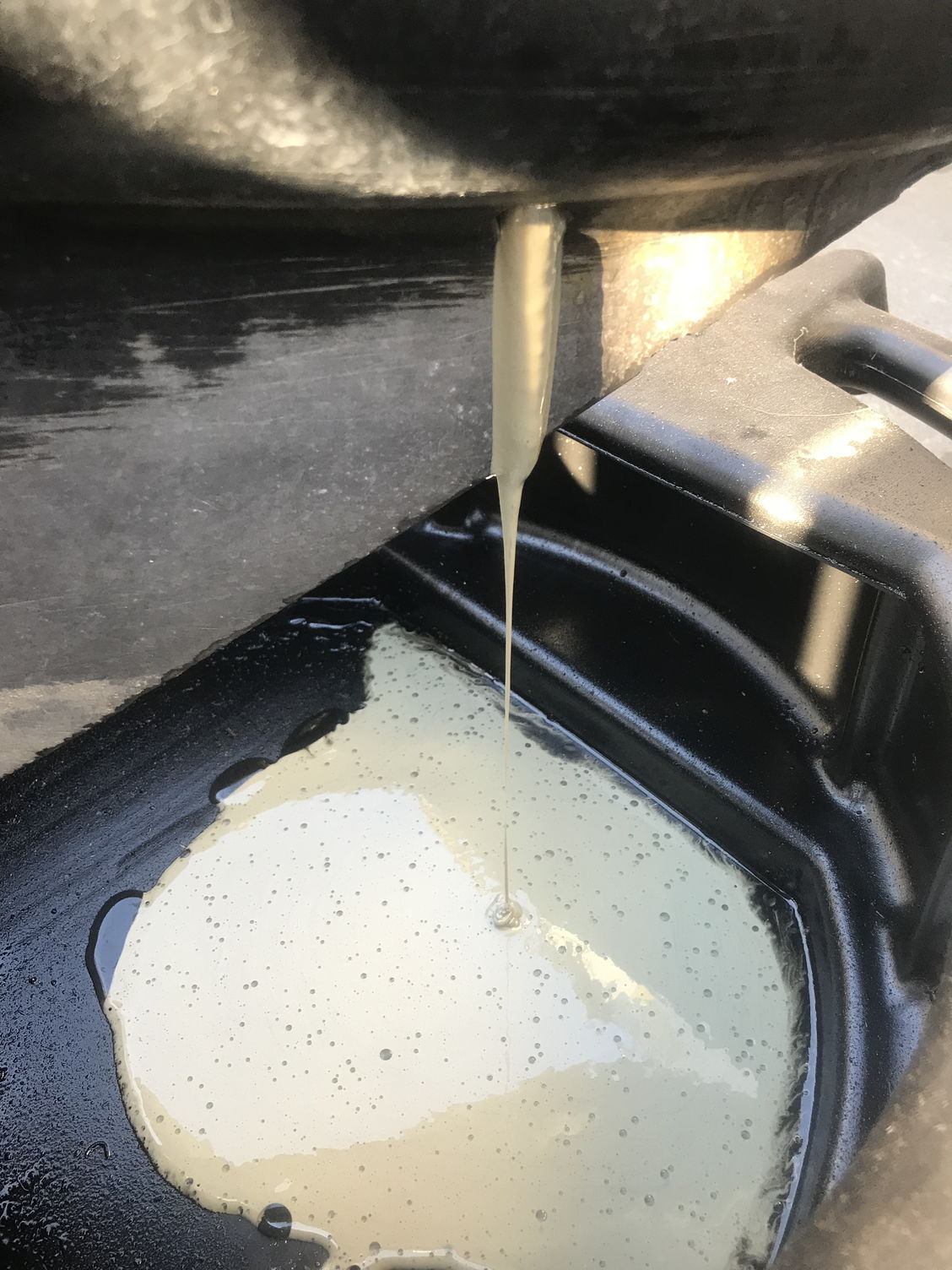
Milky or Dark Gear Lube
Sometimes the issue is not just noise. Checking your gear lube can tell you a lot.
- Milky lube usually means water intrusion from a bad seal
- Dark or burnt lube can indicate overheating or internal wear
Both situations can lead to bearing and gear failure if not addressed.
Why This Happens More in Florida
In Florida, lower units take a beating from:
- Saltwater exposure
- Sand and debris in shallow areas
- Frequent use year-round
These conditions accelerate wear compared to boats used occasionally in freshwater.
What You Should Do Next
If you are hearing any unusual noise:
- Stop running the engine if the noise is severe
- Check your prop and gear lube
- Do not assume it will fix itself
Lower unit problems rarely get better on their own. They only get more expensive.
The Parts Behind the Problem
Most lower unit noise comes down to a few key components:
- Bearings
- Seals
- Gear sets
- Prop shaft components
Using the correct parts is critical. Even small differences can affect fitment and performance, which is why serial number accuracy matters when ordering.
Final Thoughts
Lower unit noise is one of those issues where early action makes all the difference. What could be a manageable repair today can turn into a full replacement if ignored.
If your outboard is making noise, Gregor’s Marine can help diagnose the issue and get you the right parts or repairs before it gets worse.
Not sure what you need? Give us a call with your serial number and we’ll help you find the correct parts, or bring your boat in for a proper inspection and diagnosis
Recent Posts
-

The Boat Owner's Buy Once, Cry Once Guide: Upgrades Worth Paying More For
The Boat Owner's Buy Once, Cry Once Guide: Upgrades Worth Paying More For Most boat owners have hear …Aug 6th 2026 -
Milky Lower Unit Oil: What It Means and What to Do Next
Draining your lower unit oil is one of the simplest ways to check the health of your gearcase. If th …Jul 28th 2026 -

Hurricane Preparation for Boat Owners: How to Protect Your Boat Before the Storm
For boat owners, hurricane season means more than stocking up on supplies. A little preparation befo …Jul 28th 2026