
Mercury Anodes Explained: Zinc vs. Aluminum vs. Magnesium and Which You Need.
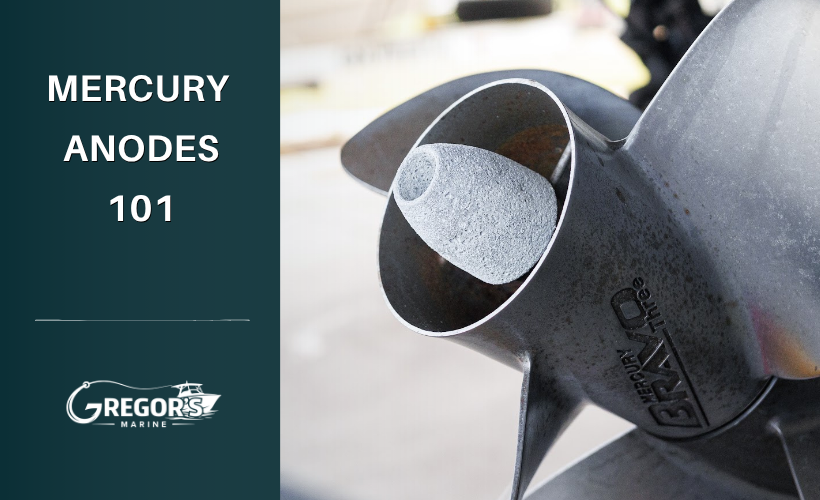
You may hear them called zincs, but the sacrificial anodes on your Mercury aren't necessarily made from zinc.
Mercury and Quicksilver offer anodes made from different alloys, including aluminum and magnesium, and the right material depends partly on where the boat operates. Choosing the correct anode matters because these small pieces of metal are designed to corrode so more expensive parts of your outboard or sterndrive don't.

What Does a Sacrificial Anode Do?
When dissimilar metals are submerged in an electrolyte such as saltwater, galvanic corrosion can occur. On an outboard, for example, you may have an aluminum gearcase, stainless-steel propshaft and stainless-steel propeller all operating underwater.
Sacrificial anodes are made from a metal alloy that is intentionally more reactive. The anode corrodes first, helping protect the gearcase and other underwater metal components.
That's why an anode slowly disappearing is usually a sign that it's doing its job.
Zinc vs. Aluminum vs. Magnesium Anodes
The three names get used interchangeably sometimes, but they aren't the same material.
Zinc Anodes
Zinc is the traditional material, which is why boaters still commonly call sacrificial anodes "zincs."
You'll still encounter zinc anodes on marine equipment and some Mercury applications, particularly older setups. But don't assume your Mercury needs zinc simply because that's what you've always called the anode.
Mercury's current corrosion-protection information identifies aluminum alloy for many larger outboards, while its replacement catalog contains numerous aluminum anodes for current Mercury and MerCruiser applications.
Aluminum Anodes
For many Mercury owners, aluminum is the material you're most likely to encounter when shopping for a current OEM replacement.
Mercury and Quicksilver aluminum anodes are available for both freshwater and saltwater use. Mercury states that its cast aluminum anodes meet or exceed MIL-A-24779(SH) and provide longer-lasting protection than zinc anodes.
You'll find aluminum anodes used on everything from Mercury FourStroke and Verado outboards to MerCruiser Alpha and Bravo drives.
For a boat that moves between fresh and saltwater, the correct Mercury aluminum anode is often particularly practical because many Mercury aluminum applications are approved for both environments.
Magnesium Anodes
Magnesium is different.
Mercury's magnesium anodes are specifically intended for freshwater use. Mercury offers magnesium replacements for numerous outboards and MerCruiser drives, including Alpha One Gen II, Bravo One and Bravo Three applications.
Do not use a freshwater-only magnesium anode in saltwater.
If you're changing anode materials rather than simply replacing the factory part with the same OEM part number, verify that the material is correct for both your engine or drive and the water where you use the boat.
Which Anodes Does My Mercury Need?
Don't choose an anode based only on horsepower or appearance.
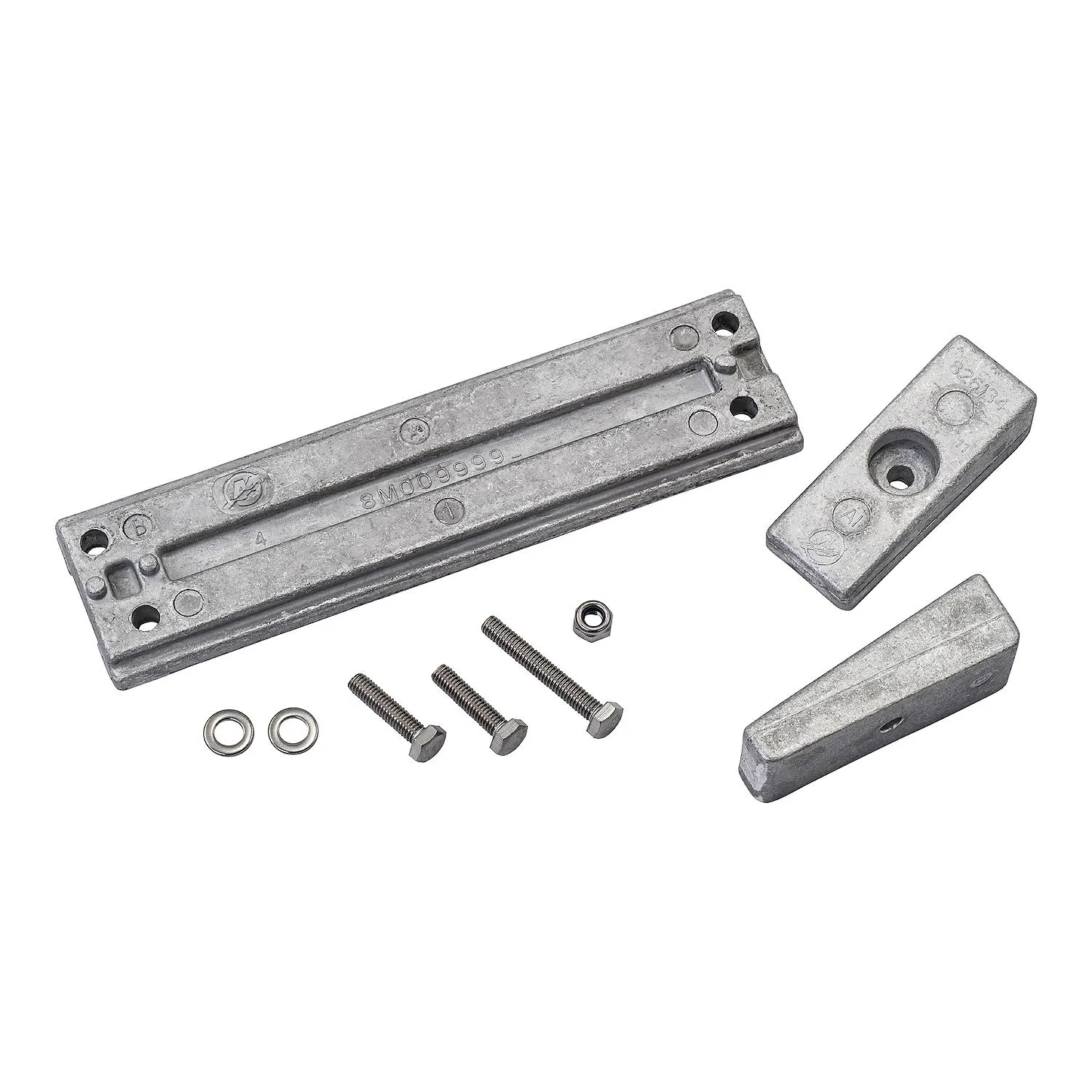
Mercury outboards can have anodes in several locations, including the gearcase, transom bracket and trim system. MerCruiser sterndrives can use multiple anodes around the drive, trim cylinders, bearing carrier and other areas depending on the drive.
The correct part can vary by:
- Engine or drive model
- Serial number
- Gearcase or sterndrive configuration
- Anode location
- Freshwater vs. saltwater use
For example, Mercury offers complete anode kits that replace multiple factory-installed anodes at once, as well as individual trim-tab, plate, bearing-carrier and other anodes.
Using your serial number is the safest way to identify the correct Mercury anodes for your setup.
When Should Mercury Anodes Be Replaced?
Don't wait until the anode disappears completely.
Mercury recommends replacing sacrificial anodes when about 50% has been consumed. Anodes should also be inspected regularly, particularly on boats that spend significant time in saltwater.
There are two other things worth knowing:
Never paint an anode. Paint electrically isolates the surface and prevents it from doing its job.
An anode that never corrodes isn't necessarily good news. Mercury notes that an anode showing no wear can indicate that damaging corrosion is occurring elsewhere. Poor electrical contact, the wrong anode material or another corrosion-protection issue may need to be investigated.
Anodes Are Only Part of Corrosion Protection
Anodes don't replace proper saltwater maintenance.
Freshwater flushing, maintaining painted surfaces, inspecting bonding components and using corrosion-protection products where appropriate all help protect a Mercury outboard or MerCruiser drive.
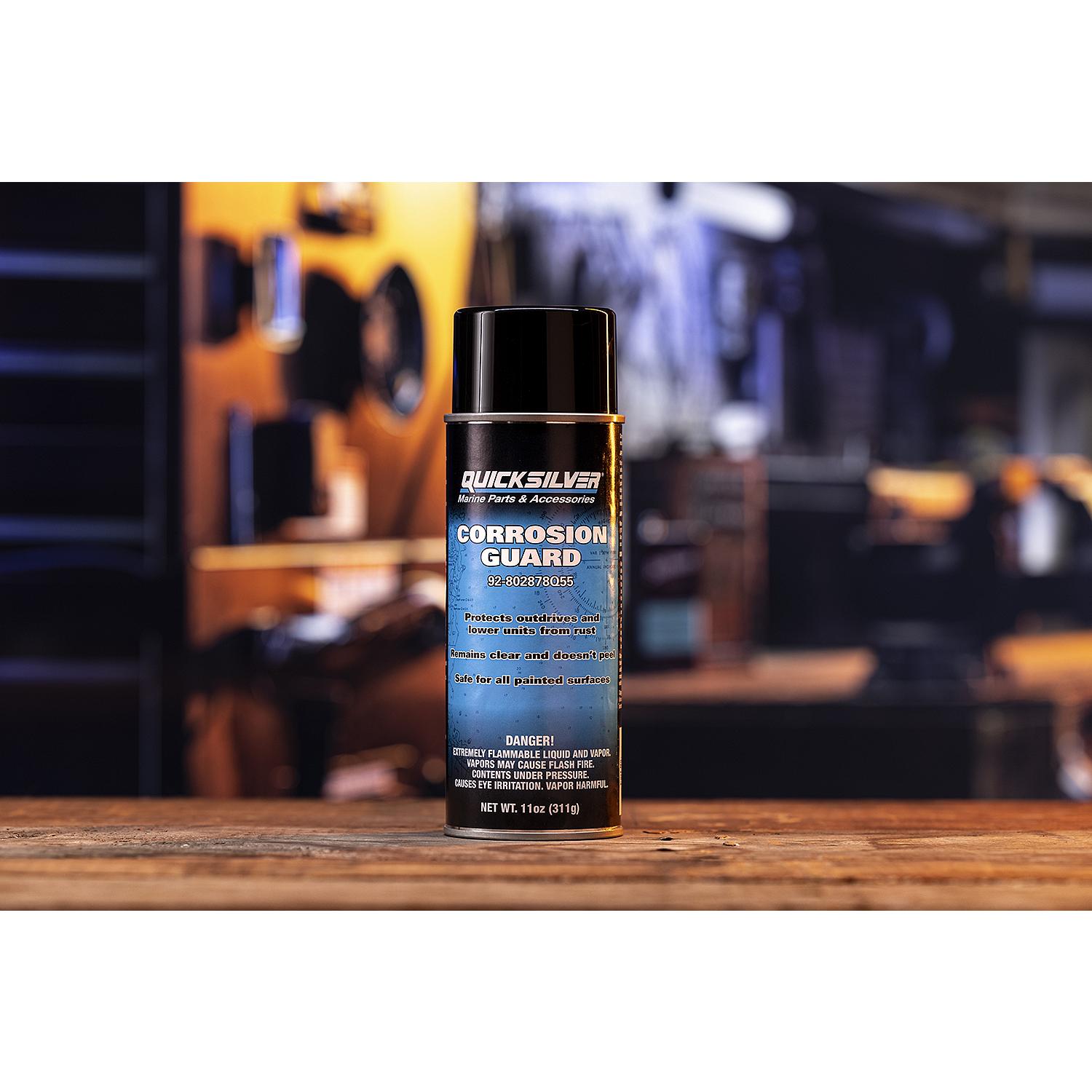
If you're applying Mercury Corrosion Guard, keep it off the sacrificial anodes. Mercury specifically warns against coating them.
This is especially important here in Florida, where many boats spend their lives around saltwater.
Need the Correct Mercury Anode?
Gregor's Marine carries genuine Mercury and Quicksilver anodes and anode kits for Mercury outboards and MerCruiser sterndrives.
If you're unsure whether your engine needs aluminum, magnesium or another specific OEM anode, contact our team with your engine or drive serial number before ordering.
Call Gregor's Marine at 727-596-5929 for help finding the correct Mercury anodes.
------------------------------------------------------------
FAQs
Are Mercury anodes zinc or aluminum?
It depends on the application. Many current Mercury and Quicksilver replacement anodes are aluminum, even though boaters commonly refer to all sacrificial anodes as "zincs."
Can I use magnesium anodes in saltwater?
Mercury identifies its magnesium anodes as freshwater-only products. Use the correct anode material for your engine or drive and operating environment.
Should I replace an anode that is half gone?
Yes. Mercury recommends replacing sacrificial anodes when approximately 50% of the material has been consumed.
Recent Posts
-

How to Build the Ultimate Inshore Fishing Boat: Our Dream Setup
If we were building the ultimate inshore fishing boat for Tampa Bay, what would we put on it? We're …Oct 19th 2026 -
Mercury Anodes Explained: Zinc vs. Aluminum vs. Magnesium and Which You Need.
You may hear them called zincs, but the sacrificial anodes on your Mercury aren't necessarily made f …Oct 19th 2026 -
3-Blade vs. 4-Blade Propellers: Which Is Right for Your Boat?
3-Blade vs. 4-Blade Propellers: Which Is Right for Your Boat? One of the most common questions boat …Oct 19th 2026