
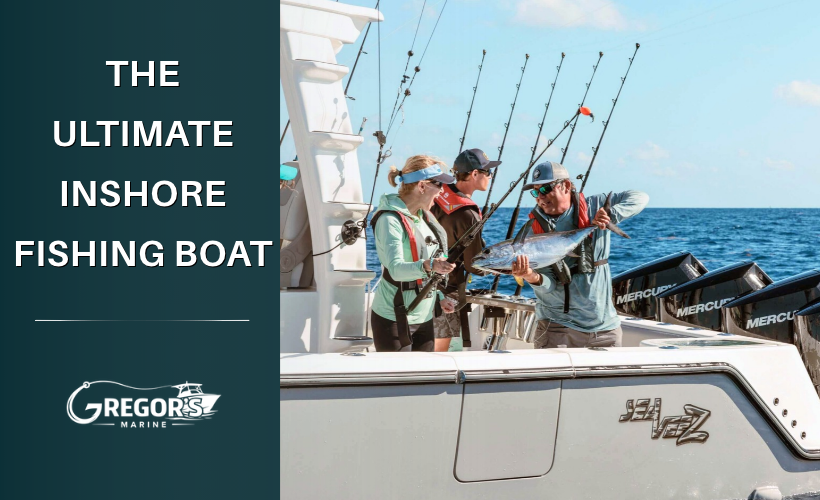
How to Build the Ultimate Inshore Fishing Boat: Our Dream Setup
If we were building the ultimate inshore fishing boat for Tampa Bay, what would we put on it?
We're talking about a boat that can run across open water comfortably, sneak into shallow flats, work mangrove shorelines, and still have everything you need for a full day of fishing.
Not necessarily the biggest boat or the most expensive equipment. Just a thoughtfully rigged fishing machine where every upgrade has a purpose.
Here's what would make our list.
1. Start With the Right Hull
For a versatile setup, a 20- to 23-foot bay boat would be a strong starting point. It offers a useful balance of shallow-water access, open-deck fishing space, and the ability to handle moderate chop.

A technical poling skiff would be better for regularly targeting extremely shallow water. A larger bay boat makes more sense if you're running longer distances, carrying more people, or occasionally fishing nearshore.
Our dream setup would lean toward a bay boat with a clean casting deck, good drainage, accessible storage, and enough room to fish without constantly stepping around equipment.
2. Choose an Outboard That Fits the Boat
It's tempting to choose the highest horsepower available, but the best outboard is the one that matches the hull and how it's used.
We'd look for a properly rated Mercury FourStroke or Pro XS outboard, depending on the boat's weight, performance goals, and intended use.
For an inshore boat, we'd prioritize:
-
Reliable starts and smooth low-speed operation
-
Enough power to plane efficiently with passengers, fuel, and fishing gear
-
Strong midrange performance for everyday cruising
-
Easy access to routine maintenance
-
Engine data available through compatible SmartCraft equipment
And we'd pay attention to the propeller. The right prop can make a noticeable difference in acceleration, handling, and how well the boat carries a fishing load.
Our Propeller Selection & Education Center covers the basics of choosing the right setup.
3. Build the Console Around How You Fish

A compatible Garmin ECHOMAP or GPSMAP chartplotter would be high on our list, paired with a transducer selected for the type of fishing we're doing.
Side-scanning sonar is especially useful for locating submerged structure, edges, and changes in bottom composition. Traditional sonar still earns its place for depth and bottom information.
We'd also want the screen positioned where it's easy to read while running, without blocking visibility or making the console feel cramped.
LiveScope? Absolutely worth considering if sight-oriented sonar fishing is part of the plan. But it wouldn't be our first purchase for every inshore boat.

Resources (Blog Articles):
- Garmin vs Simrad vs Lowrance: Which Marine Electronics Brand Is Best?
- Garmin Marine Electronics: How to Choose the Right Setup for Your Boat
4. Give Yourself Two Ways to Hold Position
A trolling motor and shallow-water anchor might seem redundant, but they solve different problems.
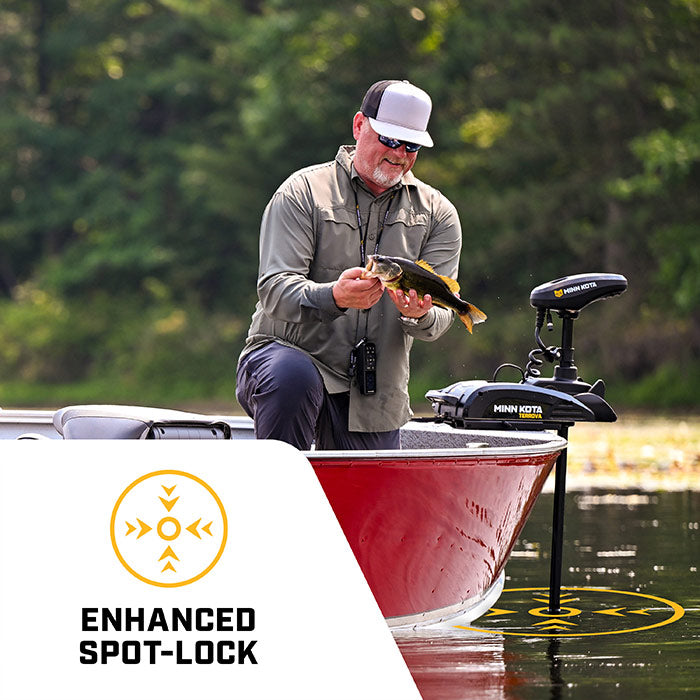
A saltwater-rated Minn Kota trolling motor with GPS positioning would let us quietly work shorelines, follow grass edges, and hold position over deeper spots. A Power-Pole shallow-water anchor would be our choice when we want to stop quickly in the shallows without constantly running the trolling motor.
We already have detailed guides on both, so we'll leave the specifications to those articles:
5. Make the Deck Easy to Fish
Here's where we'd spend time planning before buying accessories.
We'd want flush-mounted rod holders, a dedicated landing-net location, accessible tackle storage, and somewhere to put pliers without digging through three compartments.
A few less obvious choices:
- Under-gunwale rod storage: Keeps spare rods out of the casting area.
- Recessed cleats: Fewer things to catch fishing line or trip over.
- Non-skid flooring: Especially helpful when the deck gets wet.
- Washdown hose: Makes cleanup easier after handling bait or fish.
- Dedicated trash compartment: Keeps loose packaging and fishing line out of the water

We'd also pay attention to how hatch lids open. A compartment isn't very useful if someone has to move the cooler every time they need something inside it.
6. Build a Livewell That Actually Works
A big livewell doesn't automatically mean a good livewell.
For live bait, we'd care more about consistent water exchange, circulation, smooth interior surfaces, and dependable pumps than simply choosing the largest tank available.
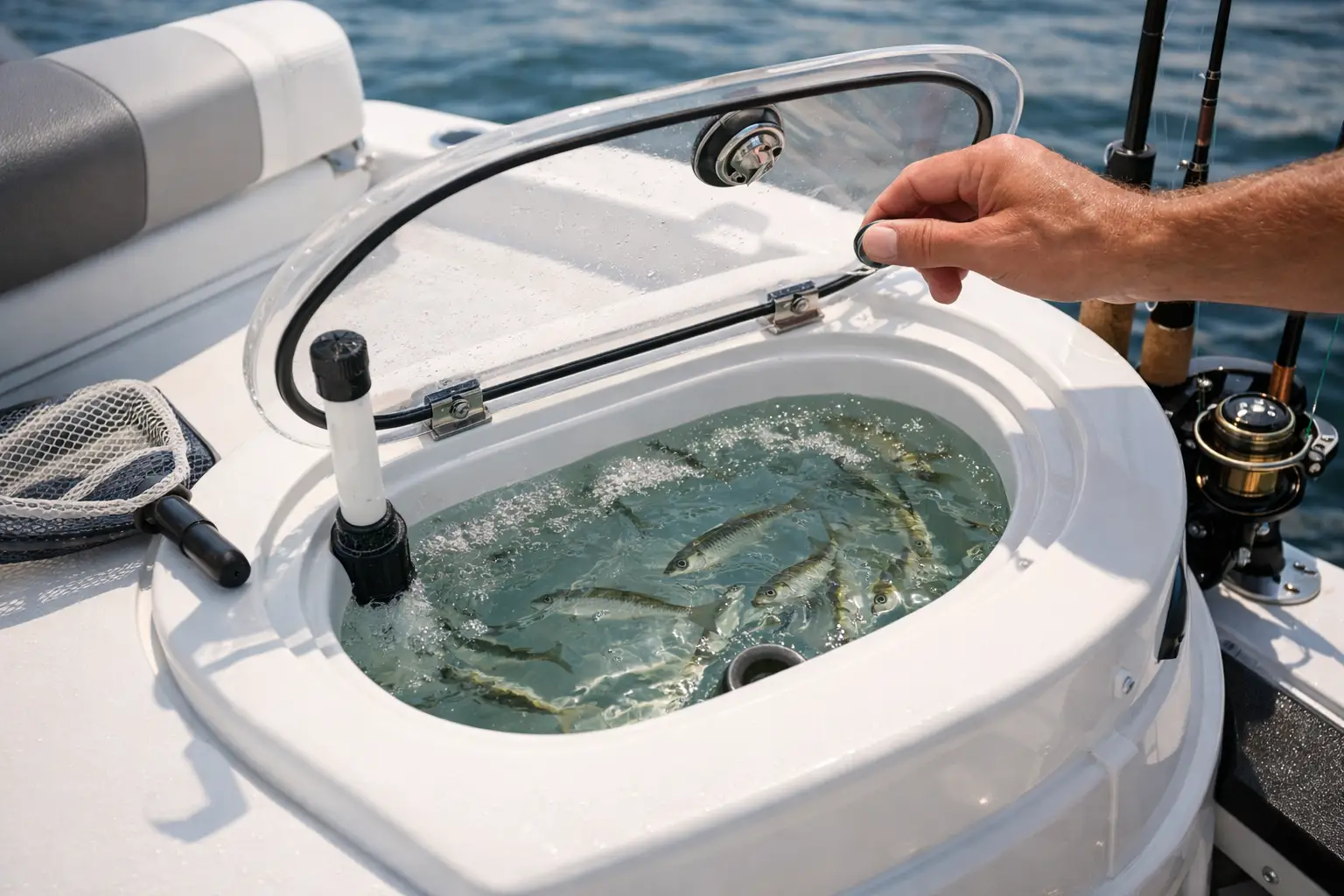
We'd want the livewell controls easy to reach and the plumbing accessible for maintenance. A clogged pickup or failed pump shouldn't require dismantling half the boat.
And we'd keep bait storage separate from the cooler holding lunch and drinks. Some things shouldn't share a compartment.
7. Don't Forget the Stuff Behind the Scenes
We'd invest in labeled marine wiring, properly protected circuits, accessible battery switches, and a charging system matched to the battery chemistry.

We'd also plan the trolling motor batteries, starting battery, electronics, and available charging capacity together rather than treating each upgrade as a separate project.
It's not the exciting part of a dream build, but troubleshooting is a lot easier when the electrical system was thoughtfully installed.
For more on deciding where to spend extra and where to save, see our Buy Once, Cry Once Guide: Boat Upgrades Worth Paying More For.
8. Add a Few Things Just Because They're Nice
Not every addition has to improve your fishing statistics.
Our finishing touches would include a comfortable leaning post, a quality cooler, useful courtesy lighting for early starts, and enough shade for those long Florida afternoons.
A well-placed phone mount and a dry compartment for valuables would make the list, too.
And if the boat regularly crosses open waters, properly sized trim tabs would be worth considering for ride control. Our Trim Tabs Explained article covers what they actually change.
The Ultimate Setup Is the One You'll Actually Use
Our dream inshore boat wouldn't necessarily have every accessory available. We'd rather have a clean, reliable setup with the right equipment than a boat packed with upgrades that get in the way.

Building or upgrading your own inshore fishing boat? Our team can help with Mercury outboards, propeller selection, electronics, trolling motors, and marine accessories. Contact us at (727) 596-5929 to talk through your setup.
-----------------------------------------------------------------------------------------
Frequently Asked Questions
What size boat is best for inshore fishing?
A 20- to 23-foot bay boat is a versatile option for many anglers, while smaller flats skiffs are better suited to very shallow water. The best choice depends on draft, fishing locations, passenger capacity, and typical water conditions.
Do you need both a trolling motor and a Power-Pole?
Not necessarily. A trolling motor is useful for moving and holding position, while a shallow-water anchor is designed to secure the boat in shallow water. Having both offers more flexibility.
What's the most overlooked fishing boat upgrade?
A well-designed electrical system. Battery capacity, charging, circuit protection, and accessible wiring affect the reliability of nearly every electronic accessory onboard.
Recent Posts
-
How to Build the Ultimate Inshore Fishing Boat: Our Dream Setup
If we were building the ultimate inshore fishing boat for Tampa Bay, what would we put on it? We're …Oct 19th 2026 -
Mercury Anodes Explained: Zinc vs. Aluminum vs. Magnesium and Which You Need.
You may hear them called zincs, but the sacrificial anodes on your Mercury aren't necessarily made f …Oct 19th 2026 -
3-Blade vs. 4-Blade Propellers: Which Is Right for Your Boat?
3-Blade vs. 4-Blade Propellers: Which Is Right for Your Boat? One of the most common questions boat …Oct 19th 2026