
Hurricane Preparation for Boat Owners: How to Protect Your Boat Before the Storm
For boat owners, hurricane season means more than stocking up on supplies. A little preparation before a storm can significantly reduce the risk of damage to your boat and help you get back on the water more quickly afterward.
While every storm is different, having a plan before watches and warnings are issued gives you the best chance of protecting your investment.
Don't Wait Until the Last Minute
One of the biggest mistakes boat owners make is waiting until a hurricane is only a day or two away.
Marinas become crowded, boat ramps are busy, and supplies like fuel stabilizer, batteries, and dock lines can quickly sell out.
If your boat is on a trailer, decide ahead of time where you'll store it. If it's kept in the water, review your marina's hurricane procedures before storm season begins.
Remove Loose Equipment
Anything that can catch the wind or become a projectile should be removed or secured.
This includes:
- Canvas covers and enclosures
- Bimini tops
- Electronics that can be easily removed
- Life jackets and loose gear
- Fishing rods and tackle
- Coolers and portable equipment
Reducing wind resistance can help lessen stress on the boat and trailer during high winds.

Fill the Fuel Tank and Add Stabilizer
If you plan to store your boat for an extended period after the storm, topping off the fuel tank can help reduce condensation inside the tank by minimizing the amount of air space.
Adding a quality fuel stabilizer before storage also helps slow fuel degradation, especially if the boat may sit unused for several weeks.
Disconnect the Batteries
If your boat will be sitting through the storm, disconnecting the batteries can help protect electrical systems from unnecessary drain and reduce the risk of electrical issues if water enters the boat.
If batteries remain installed, make sure they are securely fastened.
Secure the Boat Properly
Whether your boat is on a trailer or in the water, proper tie-down methods are critical.
For trailered boats:
- Park on high ground whenever possible.
- Chock the wheels.
- Use heavy-duty tie-down straps.
- Lower the trailer jack if appropriate to improve stability.
For boats in the water:
- Use properly sized dock lines.
- Allow enough slack for changing water levels.
- Add chafe protection where lines contact cleats or pilings.
- Double-check all fenders.

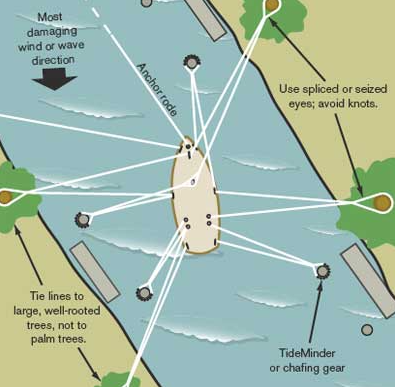
Image Source: Florida Go Fishing
Every marina may have different recommendations, so it's always worth reviewing their storm procedures.
Inspect Your Boat After the Storm
Even if your boat appears undamaged, it's worth performing a thorough inspection before heading back out on the water.
Check:
- Propeller for damage
- Lower unit for impacts
- Steering and controls
- Battery connections
- Bilge pumps
- Fuel system
- Electrical connections
Storm debris below the waterline isn't always visible, and a quick inspection can help prevent unexpected problems on your next trip.
Final Thoughts & Next Steps
Preparing your boat before a hurricane doesn't guarantee it will avoid damage, but it can greatly improve its chances. Taking a few preventative steps before the storm and performing a careful inspection afterward can save both time and money.
If your boat was exposed to flooding, storm surge, or debris, it's a good idea to inspect key systems before your next outing. Replacing worn maintenance items and checking for hidden damage now can help prevent larger issues later.
Frequently Asked Questions
Should I flush my outboard after a hurricane?
If your engine was exposed to saltwater, storm surge, or debris, flushing the cooling system and inspecting the engine before use is highly recommended.
Can storm surge damage my lower unit?
Yes. Floating debris or submerged objects can impact the propeller and lower unit, even if there is no obvious external damage.
Should I change my engine oil after my boat floods?
If water entered the engine or lower unit, do not operate it until it has been properly inspected. Water-contaminated oil or gear lube should be replaced immediately.
Recent Posts
-
Why You Should Change Your Lower Unit Oil Every Year
Why You Should Change Your Lower Unit Oil Every Year Changing your engine oil is a maintenance item …Sep 14th 2026 -
Signs Your Mercury Lower Unit Is Going Bad: What to Check
A lower unit problem doesn't always start with a dramatic failure. Sometimes the first clue is a new …Sep 14th 2026 -
Mercury Avator Electric Outboards: A Complete Guide to Electric Boating
Electric outboards are becoming a real option for more boaters, and Mercury's Avator lineup brings e …Sep 1st 2026