

What Does a Mercury Fuel Module Do? Understanding One of Your Engine's Most Important Components
When most boat owners think about fuel system maintenance, they think of replacing a fuel filter. While filters are important, one of the hardest-working components in many modern Mercury outboards is the fuel module.
The fuel module plays a critical role in delivering clean, consistent fuel to your engine. If it begins to fail or becomes contaminated, you may notice anything from hard starting to poor performance or even engine damage over time.
Understanding how it works can help you recognize problems early and appreciate why regular fuel system maintenance is so important.
What Is a Fuel Module?
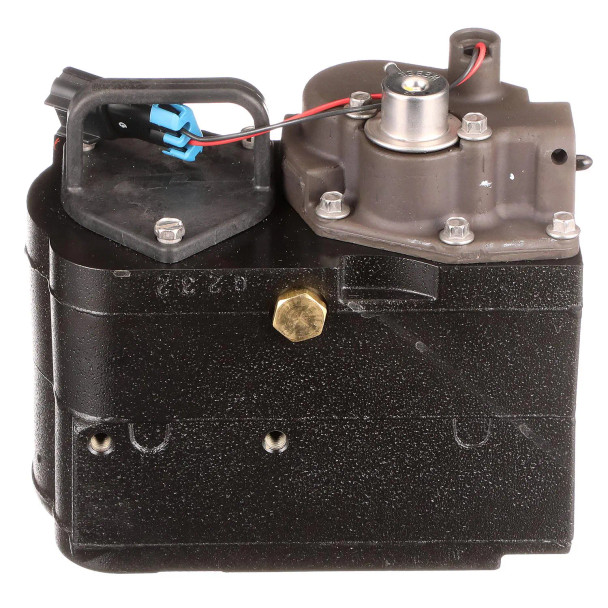
The fuel module is a self-contained assembly that manages fuel before it reaches the engine. Depending on your Mercury outboard model, it may house the fuel filter, fuel pump, pressure regulator, and other fuel system components in one unit.
Rather than simply storing fuel, the module is responsible for supplying clean, properly pressurized fuel so the engine can run efficiently under changing conditions.
Why Fuel Pressure Matters
Modern Mercury outboards rely on precise fuel pressure for proper operation. Too little pressure can cause hesitation, poor acceleration, or hard starting. Too much pressure can affect fuel delivery and engine performance.
Unlike older carbureted engines that were more forgiving, electronically fuel-injected engines depend on a steady fuel supply. Even a partially restricted filter or weak fuel pump can impact how the engine performs.
Water Is the Fuel System's Biggest Enemy
One of the biggest reasons fuel modules fail is contamination.
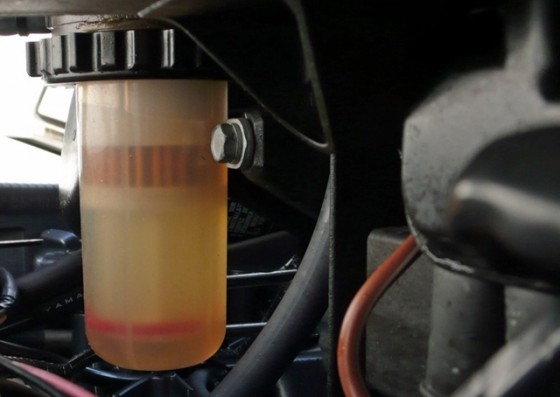
Water can enter a boat's fuel system through condensation, contaminated fuel, or damaged fuel system components. Because boats operate in humid environments and often sit unused for extended periods, moisture is much more common than many owners realize.
Once water reaches the fuel module, it can contribute to corrosion, reduce fuel pump life, and restrict fuel flow.
This is one reason Mercury recommends using a fuel-water separator and replacing fuel filters at the recommended service intervals.
Read More: Fuel Water Separator vs. Fuel Filter: What's the Difference?
Common Signs of a Fuel Module Problem
Fuel module issues often develop gradually rather than all at once. Some common symptoms include:
- Hard starting
- Loss of power at higher RPM
- Engine hesitation during acceleration
- Rough idle
- Reduced fuel economy
- Intermittent stalling
While these symptoms can have other causes, the fuel module is one of the components that should be inspected during diagnosis.
Why Preventative Maintenance Pays Off
Many fuel system problems can be prevented with routine maintenance.
Replacing filters on schedule, using quality fuel, minimizing water contamination, and avoiding old fuel all help extend the life of the fuel module and the components inside it.
Waiting until performance problems develop can sometimes turn a simple maintenance item into a more expensive repair.
Final Thoughts
The fuel module is one of those components that most boat owners never see, but it has a direct impact on how reliably your Mercury outboard starts, idles, accelerates, and performs on the water.
Whether you're replacing a fuel module, performing routine maintenance, or looking for the correct OEM fuel system components, Gregor's Marine can help.
- Shop our most common Mercury/Quicksilver Fuel Module Kit 8M0047215
Not sure which fuel module or service kit fits your Mercury outboard? Give us a call with your engine serial number, and we'll help you find the correct OEM parts.
Frequently Asked Questions
Is the fuel module the same as a fuel filter?
No. The fuel filter is often one component inside or associated with the fuel module. The module itself may also contain the fuel pump, pressure regulator, and other fuel system components depending on the engine.
Can bad fuel damage a fuel module?
Yes. Water, debris, and degraded fuel can shorten the life of fuel pumps and other components inside the fuel module.
Should I replace the entire fuel module or just the filter?
That depends on the problem. Routine maintenance usually involves replacing the filter, while a failing fuel pump or damaged module may require replacement of the complete assembly.
Recent Posts
-

Mercury Avator Electric Outboards: A Complete Guide to Electric Boating
Electric outboards are becoming a real option for more boaters, and Mercury's Avator lineup brings e …Sep 1st 2026 -

Is a Minn Kota Trolling Motor Worth It? Everything You Should Know Before You Buy
For many anglers, a trolling motor is no longer considered a luxury. It's one of the most useful upg …Sep 1st 2026 -

What Does a Mercury Fuel Module Do? Understanding One of Your Engine's Most Important Components
When most boat owners think about fuel system maintenance, they think of replacing a fuel filter. Wh …Sep 1st 2026